Setting
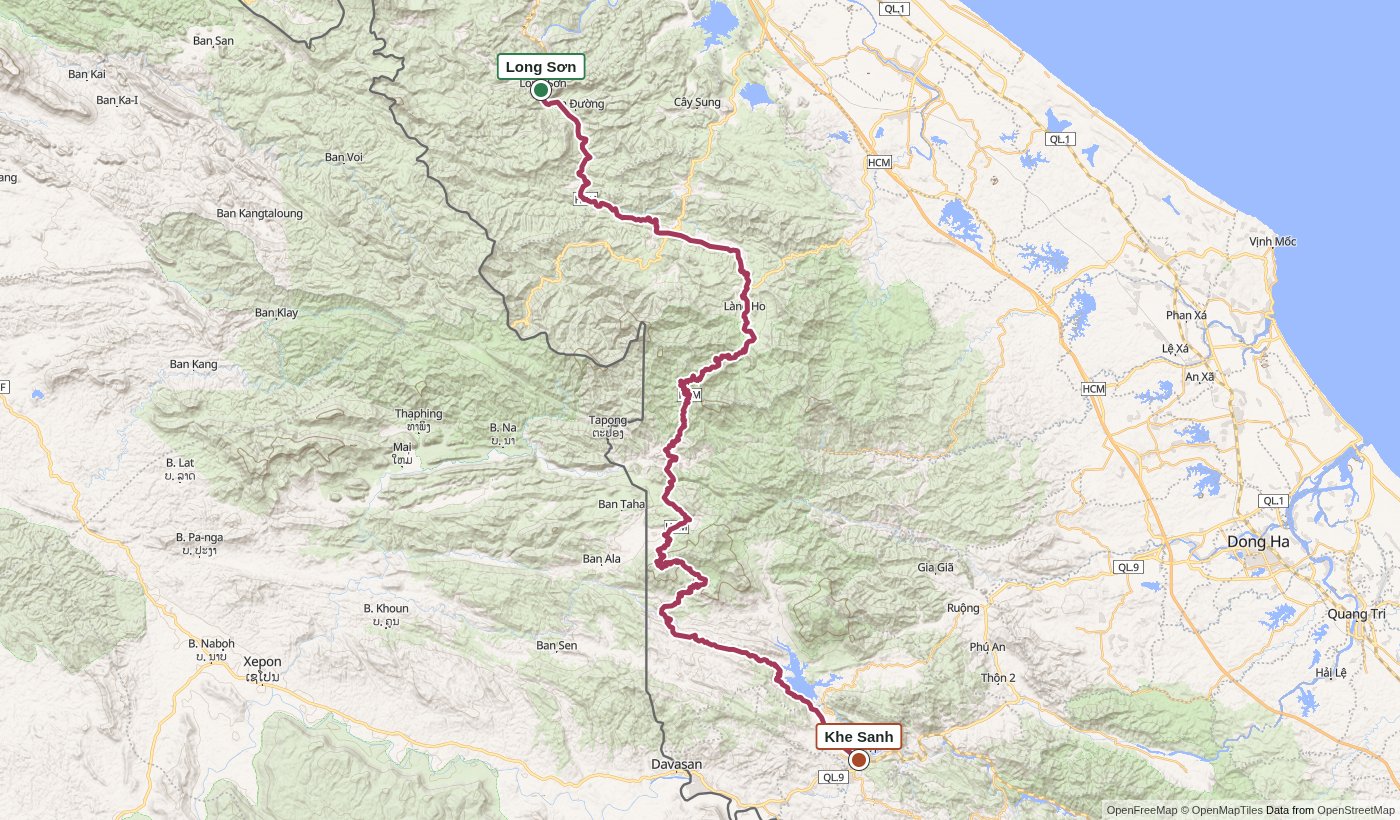
The western branch continues through Kim Ngân, Hướng Lập and Hướng Phùng to the Khe Sanh plateau near the Lao border. This is coffee and pepper country on Route 9.
Story
From 21 January to 9 July 1968 Khe Sanh saw one of the largest set-piece battles of the Vietnam War. It is still debated how it was linked to the Tết Offensive, and both sides claimed victory.
People
Bru-Vân Kiều, with Tà Ôi (Pa Kô) in Hướng Hóa.
Population and livelihoods
Khe Sanh is the centre of Vietnam’s oldest Arabica region outside the Central Highlands, planted since 1926. About 4,000 ha of coffee are grown, more than 3,700 ha in harvest, by over 8,600 households, more than half of them Bru-Vân Kiều and Pa Kô. There are also about 4,500 ha of bananas along Route 9. Hướng Hóa has become the wind-power centre of central Vietnam, with dozens of projects on its ridges. The Lao Bảo economic zone and border gate to Laos are just to the west.
What makes it special
You can visit the base museum at Tà Cơn and see the Lao Bảo border.
The peoples in more detail
Along the way: Bru-Vân Kiều, Tà Ôi (Pa Kô) in Hướng Hóa.
Bru-Vân Kiều (Vân Kiều, Trì, Khùa, Ma Coong)
Hill farmers on both sides of the old Hồ Chí Minh Trail, many of whom now grow coffee around Khe Sanh. The Ma Coong of Thượng Trạch hold a well-known drum festival.
Food: They love grilled food and soups of greens cooked with rice and fish or frogs.
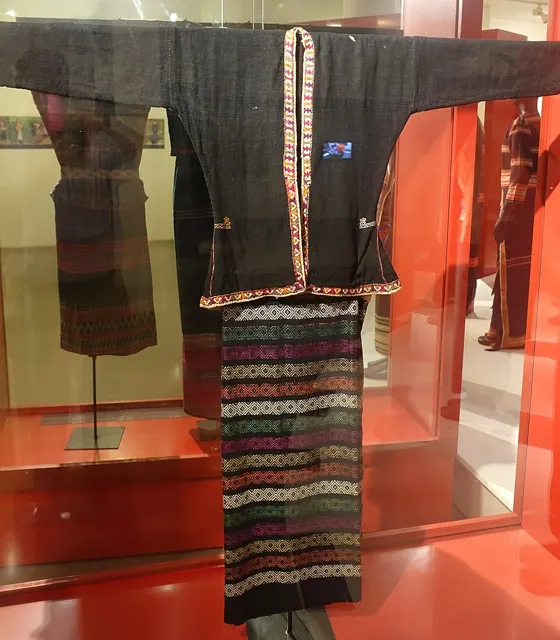
Dress: By custom men wore a loincloth and women a skirt with a sleeveless pullover top. Bark fibre was once used for clothing. The Bru-Vân Kiều did not weave, but for festivals women had a full outfit of skirt and long-sleeved tunic bought from across the Lao border. Neck rings, bracelets and earrings are the usual ornaments. Girls once wore their hair in a bun to the left, and married women on top of the head. Most people now dress like the Kinh, though women still wear the skirt.
Tà Ôi (including the Pa Kô and Pa Hy)
The main people of the A Lưới valley. Their zèng weaving, with beads worked into the cloth, is a recognised national heritage craft.
Food: Rice, topped up with maize, cassava and wild yams.
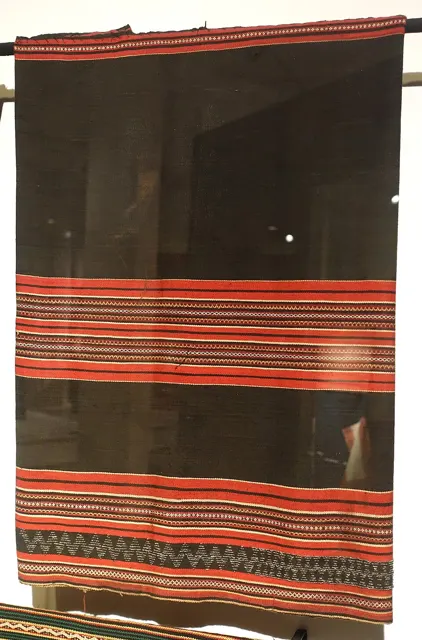
Dress: Women wear a short tube skirt with a blouse or, near the border in A Lưới, a long skirt that covers them from the chest down. Men wore a loincloth and often went bare-chested. Their weaving, decorated with lead and white beads, is prized by neighbouring groups. Ornaments are of brass, silver, beads or agate, and women wear coils of brass wire around the calves and forearms. Tooth filing, tattooing and stretched earlobes now survive only among the very old.
Military history and figures
Military history
- Siege of Khe Sanh, 1968. From 21 January to 9 July 1968 the US Marine combat base was besieged. Both sides claimed success, and the US abandoned the base in July.
- Làng Vây, 6–7 February 1968. The Special Forces camp fell in the first combined-arms attack with tanks (PT-76) by the People’s Army.
- Lao Bảo prison. Built in 1908, it held Cần Vương and later revolutionary prisoners.
- Route 9 – Southern Laos, 1971. From 30 January to 23 March 1971 the South Vietnamese Lam Sơn 719 offensive along Route 9 into Laos was defeated.
Linked figures
- General Võ Nguyên Giáp, who directed Khe Sanh from the north.
- General William Westmoreland, the US commander.