Setting
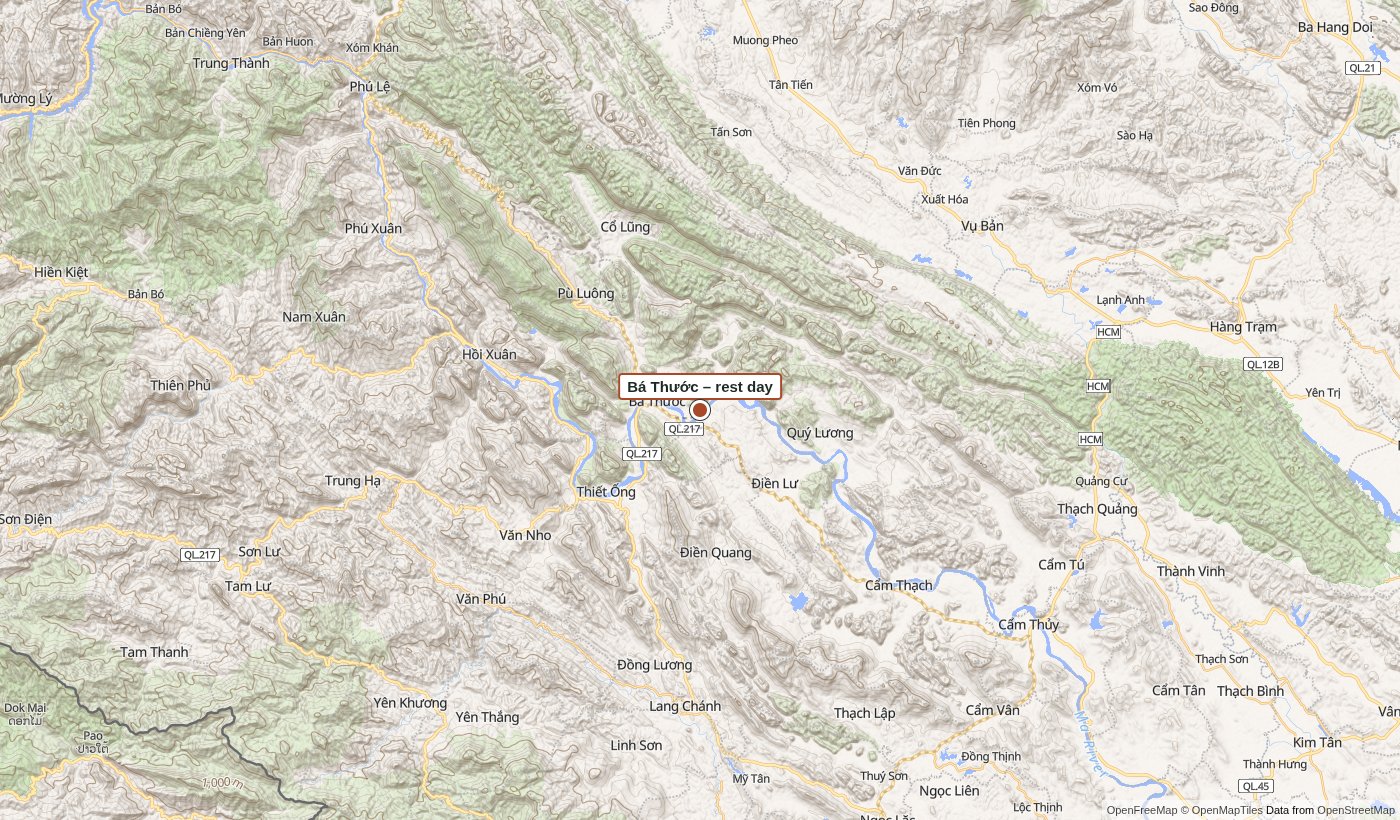
The valleys of Pù Luông, with the Mã river running below.
Story
Thái and Mường share these valleys. Thái villages sit near the water with wheels for irrigation, while Mường villages tend to be higher on the slopes.
People
Thái and Mường (Pù Luông).
Population and livelihoods
In Pù Luông, Thái and Mường families once lived from rice terraces, maize and cassava. Tourism now employs more than 420 local people. In Bản Đôn about 24 households host guests, and the busiest can earn up to VND 200 million (roughly €6,500) a year. The rice terraces are still farmed, and they are part of what visitors come to see.
What makes it special
This is a day to walk or cycle rather than ride: to the Hiêu waterfall, or among the terraces of Kho Mường and Son–Bá–Mười.
The peoples in more detail
Along the way: Thái, Mường (Pù Luông).
Thái (Tai Dam, Tai Don)
This is the people of the Days 16–24 valleys. Black Thái live around Sơn La and Điện Biên, and White Thái around Mai Châu.
Food: Sticky rice steamed in a wooden steamer is the traditional staple, though plain rice is now the everyday grain.
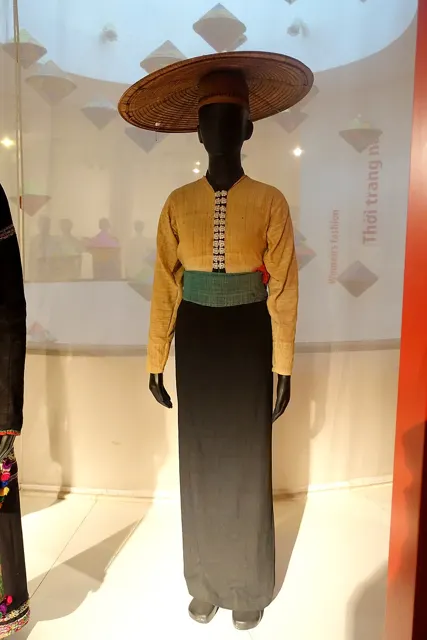
Dress: Thái women wear a short, close-fitting blouse in many colours, fastened down the front with silver buttons shaped like butterflies, spiders or cicadas. With it go a dark tubular skirt, a green silk sash at the waist and a silver chatelaine at the hip. For festivals they add a long black tunic. Black Thái women are known for the khăn piêu headscarf, embroidered in bright colours.
Mường
The closest relatives of the Kinh, sharing the same root language. Mai Châu is a mix of Thái and Mường, and Bá Thước is one of the old Mường heartlands.
Food: Steaming is the signature technique: sticky rice, plain rice, greens and fish are all steamed.
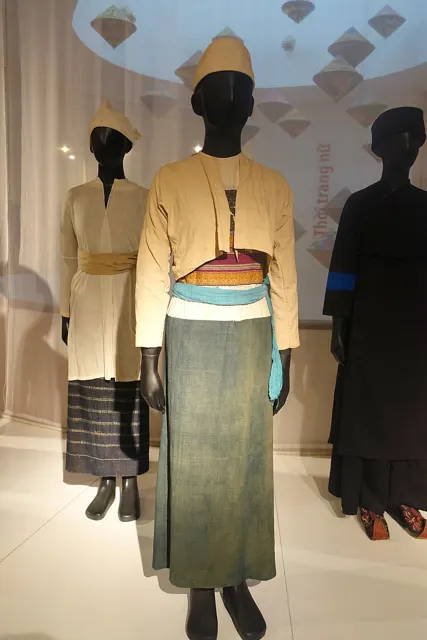
Dress: Mường women's dress is elegant and modest: a plain white rectangular headscarf, a very short blouse, usually white and open at the chest, a bib and an ankle-length skirt. The skirt's waistband is famous for its finely woven patterns. Jewellery includes bracelets, beads and a silver chatelaine of two or four chains hung with a peach-shaped betel box and silver-capped tiger or bear claws.
Military history and figures
This area is covered on Day 29.