Setting
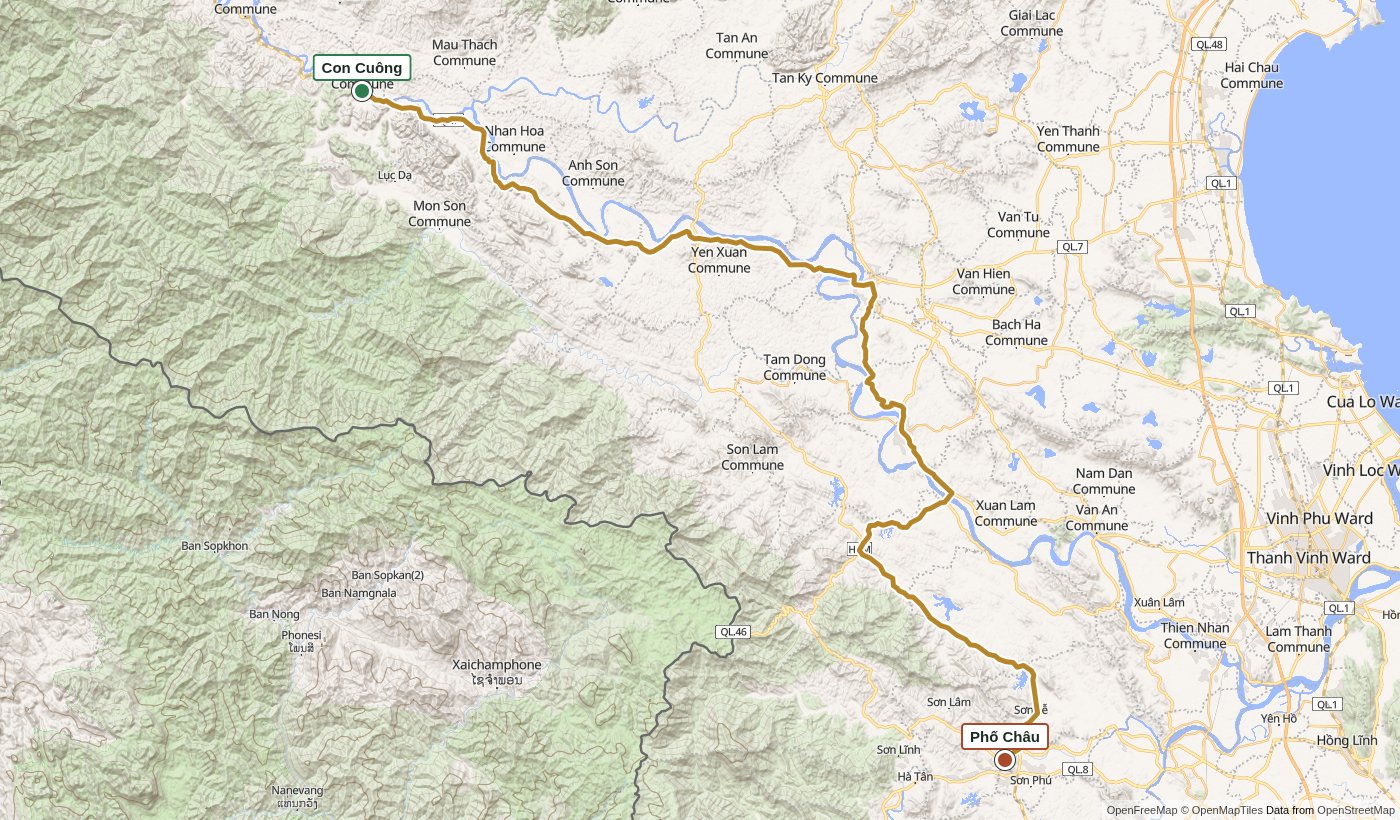
The road follows the Cả valley east through Anh Sơn and Đô Lương, then crosses the low hills of Thanh Chương into Hà Tĩnh at Hương Sơn. Phố Châu is the district town of Hương Sơn, on QL8 towards the Cầu Treo crossing into Laos.
Story
In 1930–31 these inland districts joined the Nghệ–Tĩnh Soviet movement, the first attempt at revolutionary village government in Vietnam. Thanh Chương and Hưng Nguyên saw some of the largest marches, and the French put the uprising down with air strikes.
People
Thái and Kinh.
Population and livelihoods
Hương Sơn, around Phố Châu, is known across Vietnam for its sika deer. About 10,000 households raise them for their velvet antler (nhung hươu), which is sold for traditional medicine. The Cầu Treo international border gate to Laos is at the head of the valley; trade through it was about USD 335 million (roughly €290 million) in 2024. The rest of the valley grows rice, tea, oranges and timber.
What makes it special
This is quiet farming country of the old xứ Nghệ.
The peoples in more detail
Along the way: Thái, Kinh.
Thái (Tai Dam, Tai Don)
This is the people of the Days 16–24 valleys. Black Thái live around Sơn La and Điện Biên, and White Thái around Mai Châu.
Food: Sticky rice steamed in a wooden steamer is the traditional staple, though plain rice is now the everyday grain.
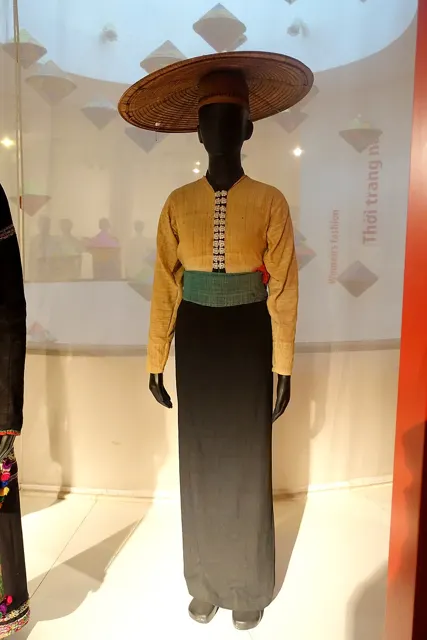
Dress: Thái women wear a short, close-fitting blouse in many colours, fastened down the front with silver buttons shaped like butterflies, spiders or cicadas. With it go a dark tubular skirt, a green silk sash at the waist and a silver chatelaine at the hip. For festivals they add a long black tunic. Black Thái women are known for the khăn piêu headscarf, embroidered in bright colours.
Kinh (Việt)
The majority people, about 85% of the country. In the mountain towns most shopkeepers and officials are Kinh.
Food: Wet rice is the foundation of everything.
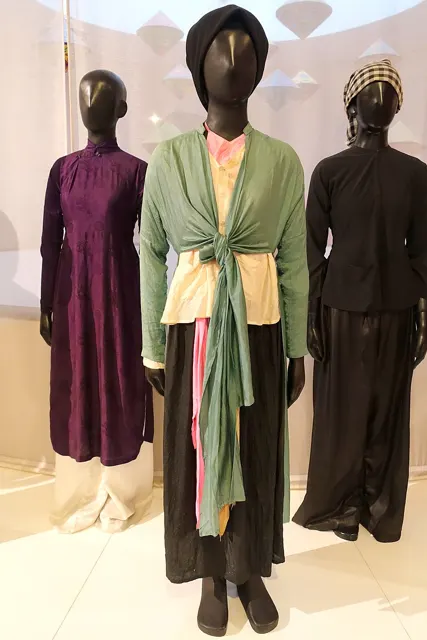
Dress: Traditional village dress is now rarely seen. In the north men once wore loose trousers and a brown shirt, and women a black skirt, a yếm bodice, a brown blouse and a black headscarf folded to a point. For festivals men put on white trousers, a black gown and a folded turban. The áo dài, the long tunic over trousers, is what women wear today for Tết, weddings and other special occasions.
Military history and figures
Military history
At Đô Lương, on 13 January 1941, Vietnamese troops of the French colonial army mutinied under Sergeant Nguyễn Văn Cung (Đội Cung). They seized the Chợ Rạng post in Thanh Chương and the Đô Lương post. The rising was crushed within days, and Đội Cung and ten others were executed.
Linked figures
- Đội Cung (Nguyễn Văn Cung, 1903–1941).
- Lê Hữu Trác (Hải Thượng Lãn Ông, 1724–1791), the physician, who lived and is buried in Hương Sơn. He served briefly in the Trịnh army before turning to medicine.