Setting
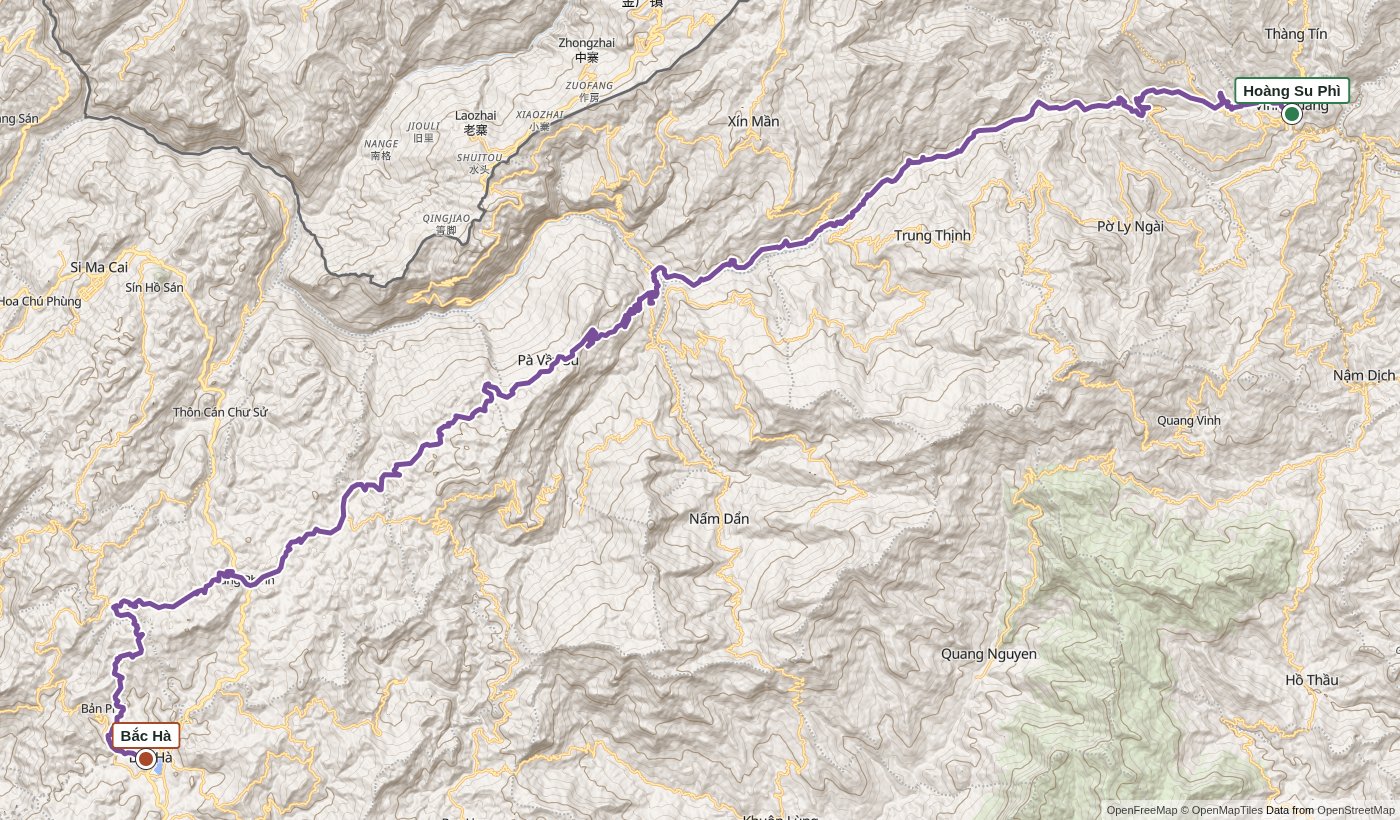
The road crosses Xín Mần and the upper Chảy river into Lào Cai province, onto the Bắc Hà “white plateau”. It gets its name from the plum blossom in spring.
Story
Bắc Hà was run under the French by a Tày family, Hoàng Yến Chao and his son Hoàng A Tưởng. Their palace, built between 1914 and 1921 in a mixed Asian and European style, still dominates the town.
People
Nùng, Red Dao, Flower Hmong and Phù Lá. Bắc Hà’s weekly market is one of the best known in the north.
Population and livelihoods
The former Bắc Hà district has about 57,000 people from 14 ethnic groups, most of them Hmong. It is best known for its “tam hoa” plums. In a good year the district harvests more than 4,000 tonnes, and the orchards draw visitors in the plum season. Its large livestock market is the trading centre for buffalo, cattle, horses and pigs for the whole area, alongside maize, rice and corn wine.
What makes it special
The palace of the Tày “king” makes a pair with the Hmong Vương palace two days earlier. Both are monuments to French indirect rule through local strongmen.
The peoples in more detail
Along the way: Nùng, Red Dao, Flower Hmong, Phù Lá.
Nùng
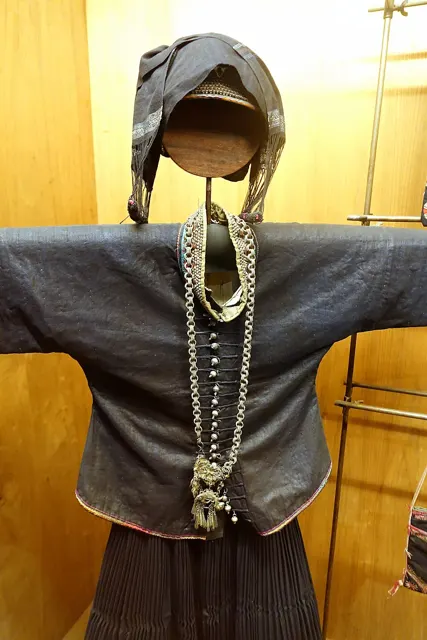
Close relatives of the Tày, with similar stilt houses and plain indigo clothes. Many sub-groups take their names from places in southern China: Nùng An, Nùng Dín, Nùng Phàn Slình and others.
Food: In many places maize is the staple, ground and cooked into a thick porridge.
Dress: Simple clothes of coarse home-woven cotton dyed indigo, with hardly any decoration. Men wear a jacket with a stand-up collar and a row of cloth buttons down the front. Women wear a five-panel tunic fastened under the right arm, reaching just below the hips. The local sub-groups are named partly after small differences in this dress.
Dao (Yao, Mien)
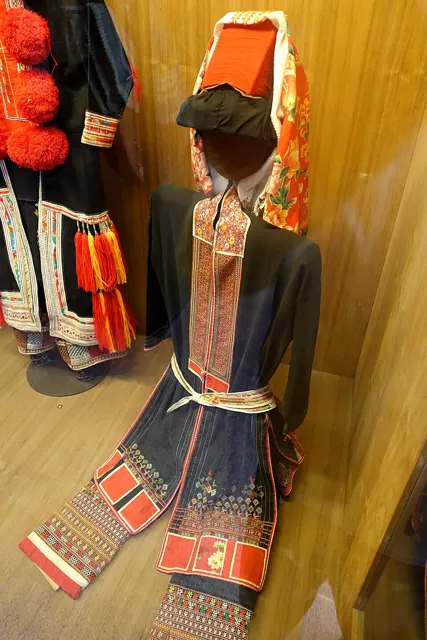
A large group with many branches, each with its own dress. In Bình Liêu you'll see Dao Thanh Y and Dao Thanh Phán, around Ba Bể the Dao live on the hillsides, at Bắc Hà market Black Dao come in, and in Sa Pa and Hoàng Su Phì there are Red Dao, with red pom-pom headdresses.
Food: Two main meals a day, of rice or, in some places, maize or rice porridge.
Dress: Dress varies more than in any other group, and each branch ties its headscarf in its own way. Red Dao women wind their hair up under the headscarf on top of the head. Their tunic has a brightly embroidered collar, and the bib carries eight-petalled flowers worked in silver. Women embroider from memory rather than from a drawn pattern, stitching on the back of the cloth so the design stands out on the front. They also print patterns in hot beeswax before dyeing, which leaves pale blue motifs on the indigo. Dao silversmiths make the neck rings, bracelets, anklets, earrings and betel boxes.
Hmong (H'Mông, Mèo, old name, now avoided)
The people you'll see most in the high country. They make up about 72% of the Đồng Văn plateau and about half of Sa Pa, and Mường Lống is entirely Hmong.
Food: Two meals a day, three at harvest.
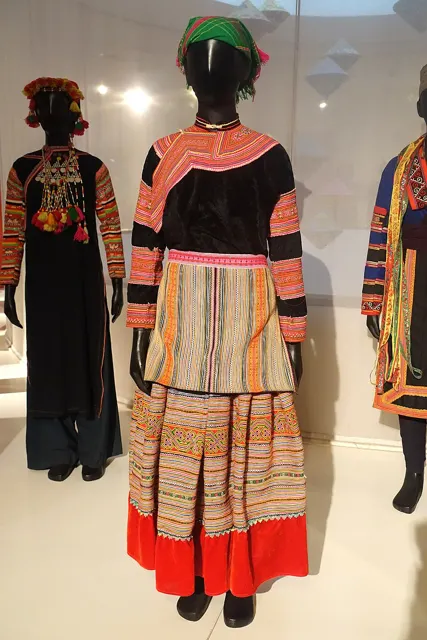
Dress: The most colourful dress in the north, and different for each branch. White Hmong women grow hemp and weave linen, and wear white skirts with an open-fronted blouse embroidered on the sleeves and a panel at the back of the collar. Flower Hmong women, whom you'll see at Bắc Hà, wear indigo skirts embroidered or printed with beeswax batik, with appliqué and embroidery across the shoulders and chest. Black Hmong women around Sa Pa wear indigo skirts patterned with beeswax and an open-fronted blouse. Green Hmong women wear a tubular skirt, and once married wind their hair up with a horseshoe comb under a headscarf shaped like two horns. Decoration is mostly appliqué, with spirals, squares, lozenges and crosses as the common motifs.
Phù Lá (including the Xa Phó)
Hill farmers known for their patterned rattan and bamboo baskets, who come in to the Bắc Hà and Cán Cấu markets. The Xa Phó of Nậm Sài, a Phù Lá sub-group, are Sa Pa's smallest community.
Food: Rice is pounded by hand every day and eaten in two meals, early morning and evening.
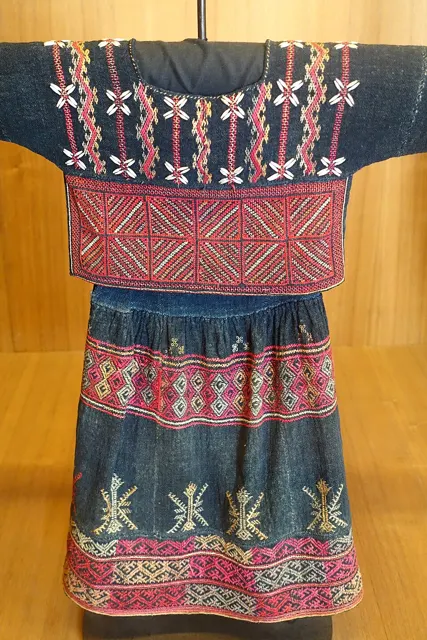
Dress: Women's dress differs between branches. Phù Lá Lão women wear a skirt and a short square-necked pullover blouse, embroidered and beaded, with a belt sewn with mountain snail shells. Other branches wear trousers with a long open-fronted tunic or a short tunic fastened at the side. The Phù Lá Lão man's jacket is unusual, with many beads sewn on the back.
Military history and figures
Military history
Bắc Hà’s “palace” was built in 1914–21 for Hoàng A Tưởng, the Tày lord who ruled the district for the French. It has thick walls and gun ports.
Linked figures
- Hoàng A Tưởng.
- His father Hoàng Yến Chao.